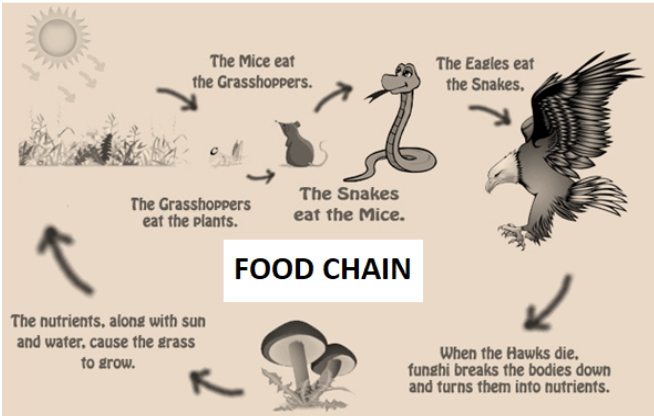
In 25 words Journal 311 What is ecology Biology Diagrams In the 21st century and the era of fast-food chains and snacks, which are now the first choice particularly for younger people when it comes to their daily food intake, behaviours that used to be crucial for survival are taking a back seat. Another study investigated the effects of a strictly western style diet (WS diet) on modern humans Abstract "We are what, when, and how we eat": the evolution of human dietary habits mirrors the evolution of humans themselves. Key developments in human history, such as the advent of stone tool technology, the shift to a meat-based diet, control of fire, advancements in cooking and fermentation techniques, and the domestication of plants and animals, have significantly influenced human

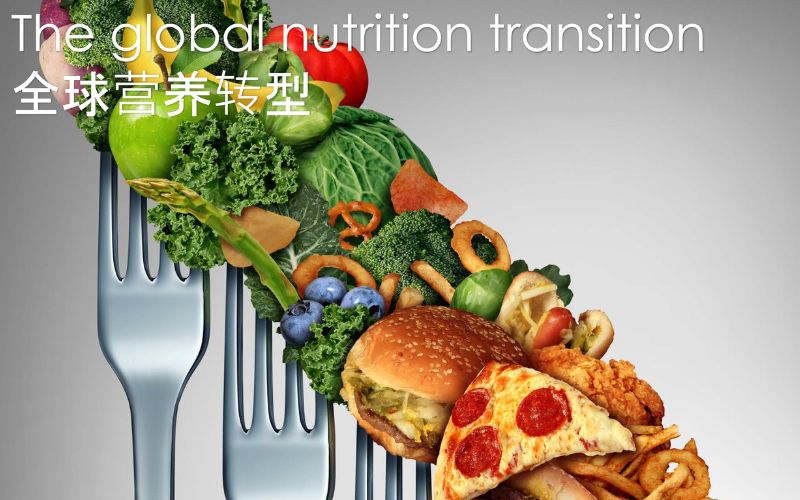
As fast food chains and processed foods become more prevalent, many local cuisines are at risk of being overshadowed. This shift can lead to changes in dietary habits and health outcomes, including increasing rates of obesity and chronic diseases associated with a high-sugar, high-fat diet.

We Are What, When, And How We Eat: The Evolutionary Impact of Dietary ... Biology Diagrams
The systems that produce, process, package and sell food have undergone a series of transitions over the past several decades, impacting diets, nutrition and health; livelihoods and wages; and the
The changes partially result from the globalization and modernization of food and eating, for example, access to new technologies, modern supermarkets, and food marketing [3, 10, 11]. Also, urbanization has separated a large part of the world's population from the direct production of foods, which has produced changes in eating behavior [ 12 ].
Where do humans lie on the food chain? Biology Diagrams
Human exposure to harmful chemical and biological agents occurs throughout multiple stages of food supply chains. In food production, agricultural workers may be exposed to high amounts of pesticides or other agrochemicals, which are associated with increased risk of poisoning, decreased fertility, and potential increased risk of cancer and