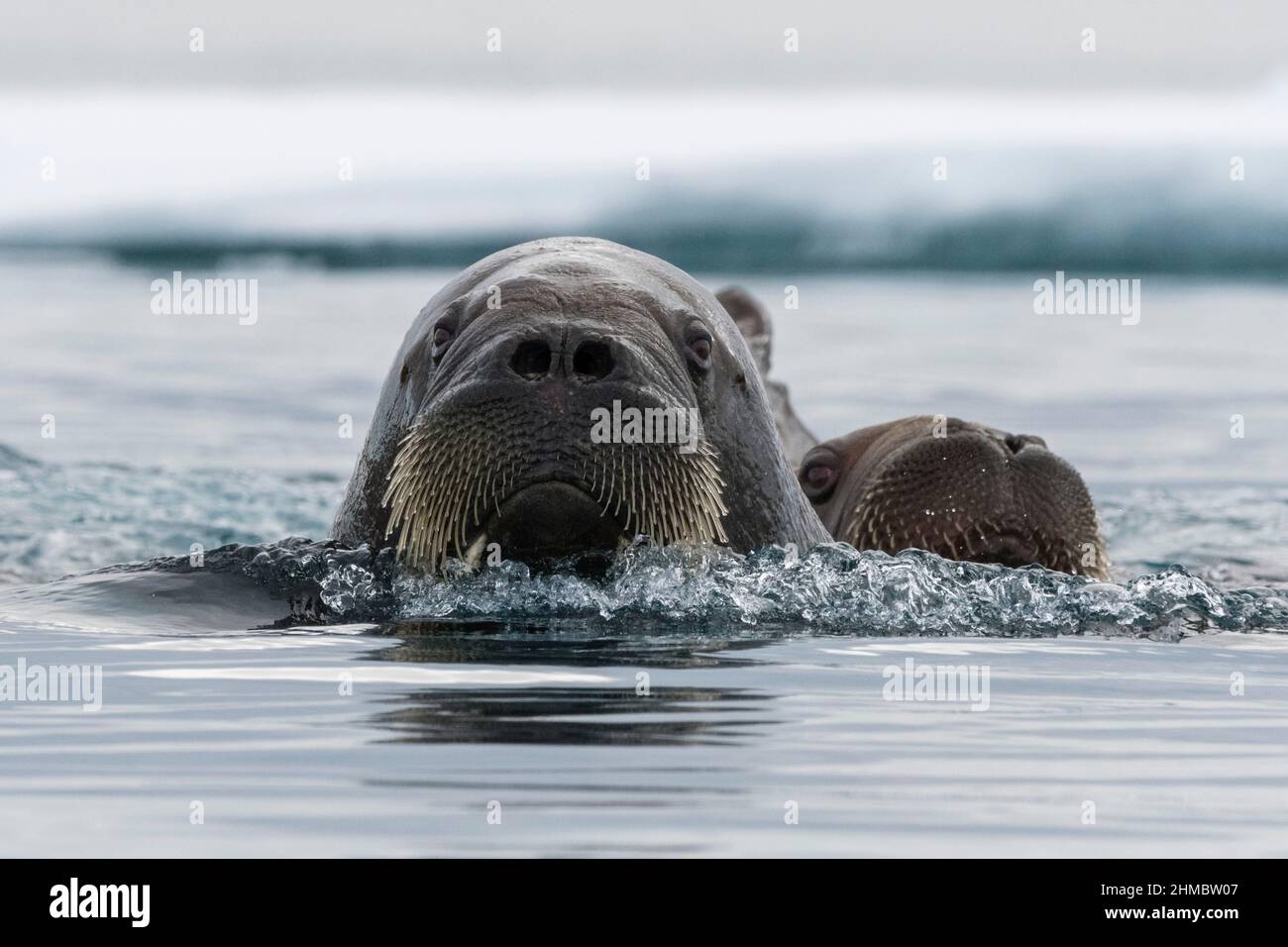
Atlantic walruses in Arctic water Stock Photo Biology Diagrams and walruses, have a thick layer of blubber (fat) under their skin. Blubber acts like a cozy blanket, keeping the animal warm in freezing water. It also stores energy for when food is hard to find. small body parts Arctic animals often have small ears, tails, and noses to keep from losing heat. Smaller body parts mean less skin is exposed to
This particular ice floe, or large piece of floating sea ice, carries a pod of walrus through Arctic waters. Otis is a walrus pup born on that ice floe in late spring in the Chukchi Sea, Ocean acidification is just one way that humans are disrupting the Arctic food chain. Human activity in the Arctic, like oil drilling, can lead to

PDF The Arctic Circle Biology Diagrams
Polar bears are the top of the Arctic's land-based food chain. Their biggest threat to survival is not other species. Rather it is the changing environmental conditions brought on by climate A food chain only shows one direction of how energy is transferred. In nature, it is usually more complex as more than one animal might hunt a specific species. Food Webs The Arctic food web. Click for more detail. When many food chains are linked together they create a food web. Most animals have many food sources and also have many predators.

Atlantic walruses frequent the coastal areas from northeastern Canada to Greenland, dipping into the waters of the Arctic Ocean. Pacific walruses have a broader range, extending from the Bering Sea to the Chukchi Sea, and occasionally wandering into the Laptev Sea. Contaminants in the water can accumulate in the walrus food chain, affecting Walruses play a significant role in the animal food chain as prey and predators. By feeding on benthic organisms, they influence the structure and the local population of benthic invertebrates. As such, they help maintain a balance in the arctic ecosystem. Further, their foraging behavior makes them the Arctic's keystone species.

Arctic Food Web: Everything You Need To Know Biology Diagrams
With thick layers of blubber to insulate them from the cold waters of their Arctic habitat, belugas weigh between 500 and 1,500 kilograms. DID YOU KNOW? the Atlantic walrus, found in eastern Canada and the High Arctic, and the Pacific walrus, FINDING FOOD: The walrus has whiskers on either side of its face that act as food detectors, Food Web on Land Surrounding the Arctic Ocean. Animals like polar bears, walrus, and seals thrive over the Arctic ice and around the snow-capped lands surrounding the area. Polar bears are the apex predator here and comprise the top of the food web. However, they only hunt in the spring, during the summer, and at the start of the autumn season.
